
Explore
Tehillim
Psalms for fear, gratitude, pain, hope and moments when there are no polished words.
A clear starting point
A Jewish source is not a decorative quotation. It has a setting, a question, a genre and later interpretation. Reading responsibly means knowing what the text says, what it does not say and how it has been understood.
Three ideas to keep
What to do now
- 01Open the exact passage, not a quotation card.
- 02Read one classical and one modern explanation.
- 03Write one sentence about what the source changes in practice.
Source lineage
Read the source with its surrounding argument.
The page separates the canonical reference, the commentary and OJS interpretation so the reader can see where each conclusion begins.
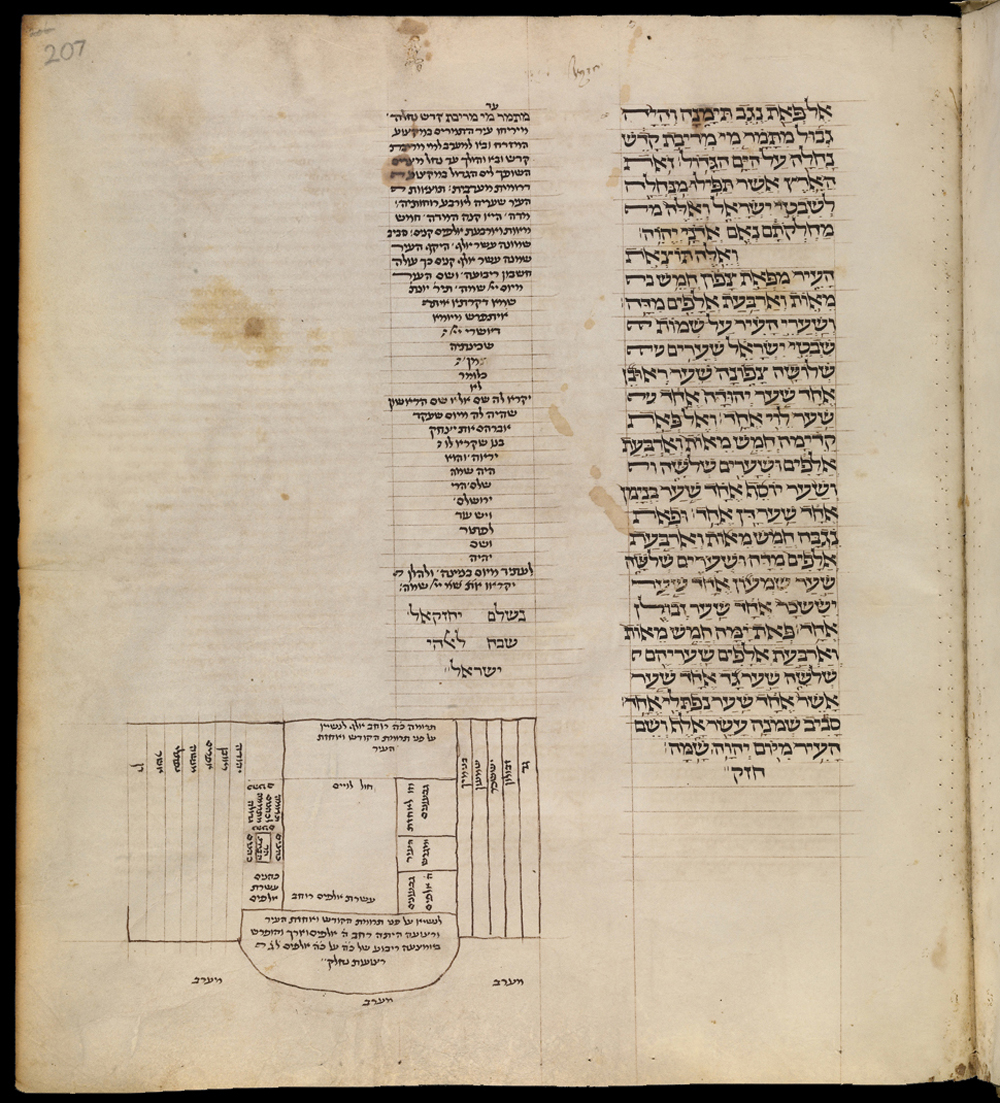
This archival object shows the tradition of text and commentary. It is not presented as the exact source quoted on this page.
Book of Prophets with Rashi’s commentary · late 13th century · public-domain reproduction.
Sources to open
Psalm 23
Walking through danger
Tehillim speaks from inside fear, not only after it passes.
Psalm 27
Seeking steadiness
The psalm combines fear, trust and a concrete request.
Psalm 121
Help on the road
The language of protection accompanies movement and uncertainty.
This page offers education, not a binding ruling. Ask the Sources can help locate and explain relevant texts.
Questions you can explore
Related guides
Tehillim
Tehillim when life is hard: one line can be enough
When life is heavy, long explanations can feel impossible. Tehillim gives a person permission to speak from fear, gratitude, anger, hope and exhaustion.
Prayer
Jewish prayer for beginners: how to begin without pressure
Prayer can feel difficult when a person does not know Hebrew, does not know the siddur and does not know what to feel. Jewish prayer begins more simply: standing honestly before God with words, attention and repetition.