
Explore
Loss and mourning
Jewish mourning practices, emotional pain and the boundary between support and professional care.
A clear starting point
Family questions contain love, history, duties and wounds at the same time. A serious answer must protect human dignity, name real responsibilities and avoid deciding another person’s life for them.
Three ideas to keep
What to do now
- 01State the issue in one neutral sentence.
- 02Write what you can request and what you can only hope for.
- 03Plan one conversation with a clear beginning, boundary and end.
Source lineage
Read the source with its surrounding argument.
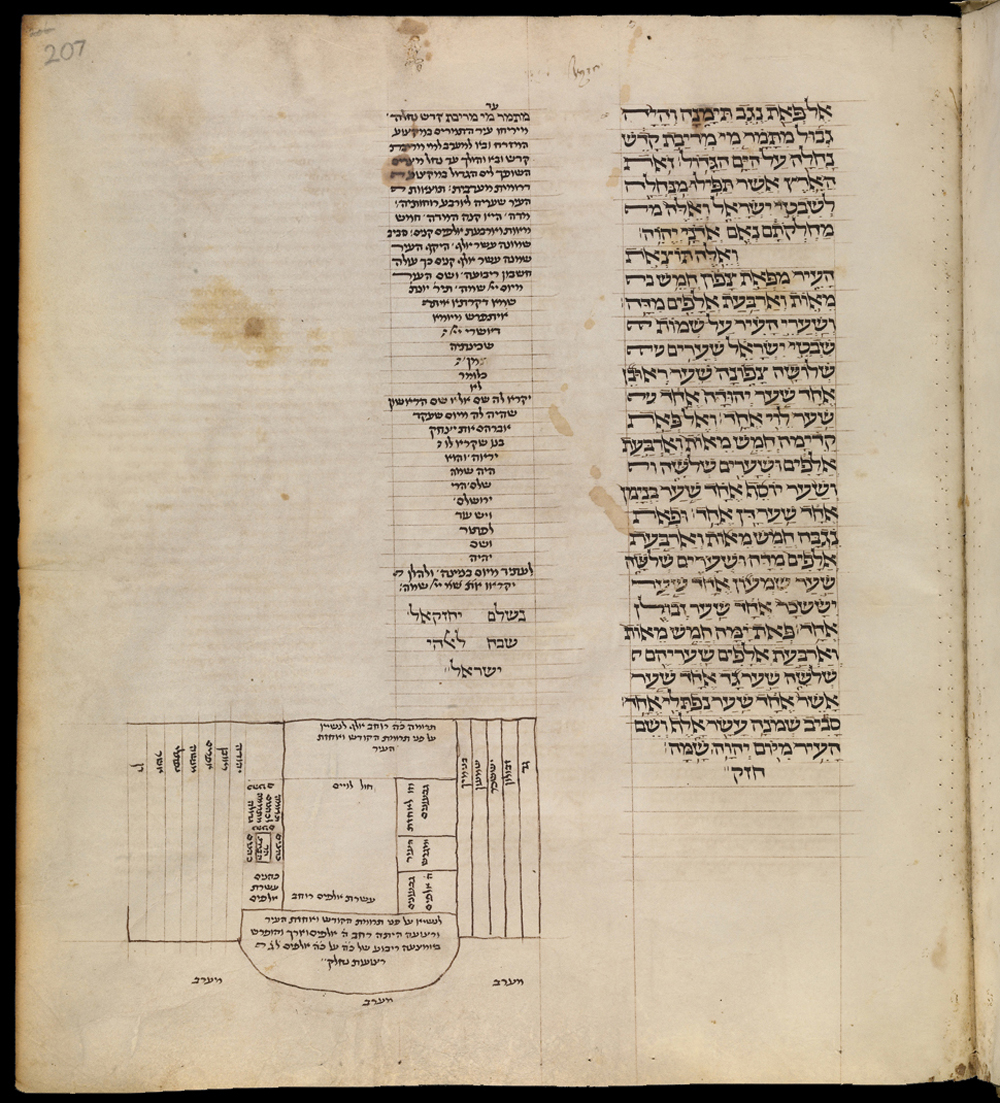
The page separates the canonical reference, the commentary and OJS interpretation so the reader can see where each conclusion begins.
This archival object shows the tradition of text and commentary. It is not presented as the exact source quoted on this page.
Book of Prophets with Rashi’s commentary · late 13th century · public-domain reproduction.
Sources to open
Genesis 23:2
Abraham mourns
The Torah names grief and gives it visible space.
Ecclesiastes 3:4
A time to mourn
Mourning is recognized as a real human season.
Moed Katan 27b
Limits to public grief
Rabbinic practice gives grief structure without pretending to remove pain.
A program is useful when the change requires repeated work over time. It is not emergency, medical or legal support.
Questions you can explore
Related guides
Grief and support
Jewish grief support: what sources can give when life hurts
Grief is not solved by a quote. Jewish sources can give language, presence and direction, but they must not erase pain or rush a person toward answers.
Tehillim
Tehillim when life is hard: one line can be enough
When life is heavy, long explanations can feel impossible. Tehillim gives a person permission to speak from fear, gratitude, anger, hope and exhaustion.