
Explore
Jewish holidays
The meaning, order and basic practices of the Jewish year.
A clear starting point
The Jewish calendar turns memory into repeated action. Dates are not only information: they tell a family when to prepare, gather, remember, celebrate or mark a transition.
Three ideas to keep
What to do now
- 01Collect the correct names, dates and sunset information.
- 02Verify the Hebrew-date calculation before saving it.
- 03Set the first reminder early enough to prepare, not on the date itself.
Source lineage
Read the source with its surrounding argument.
The page separates the canonical reference, the commentary and OJS interpretation so the reader can see where each conclusion begins.
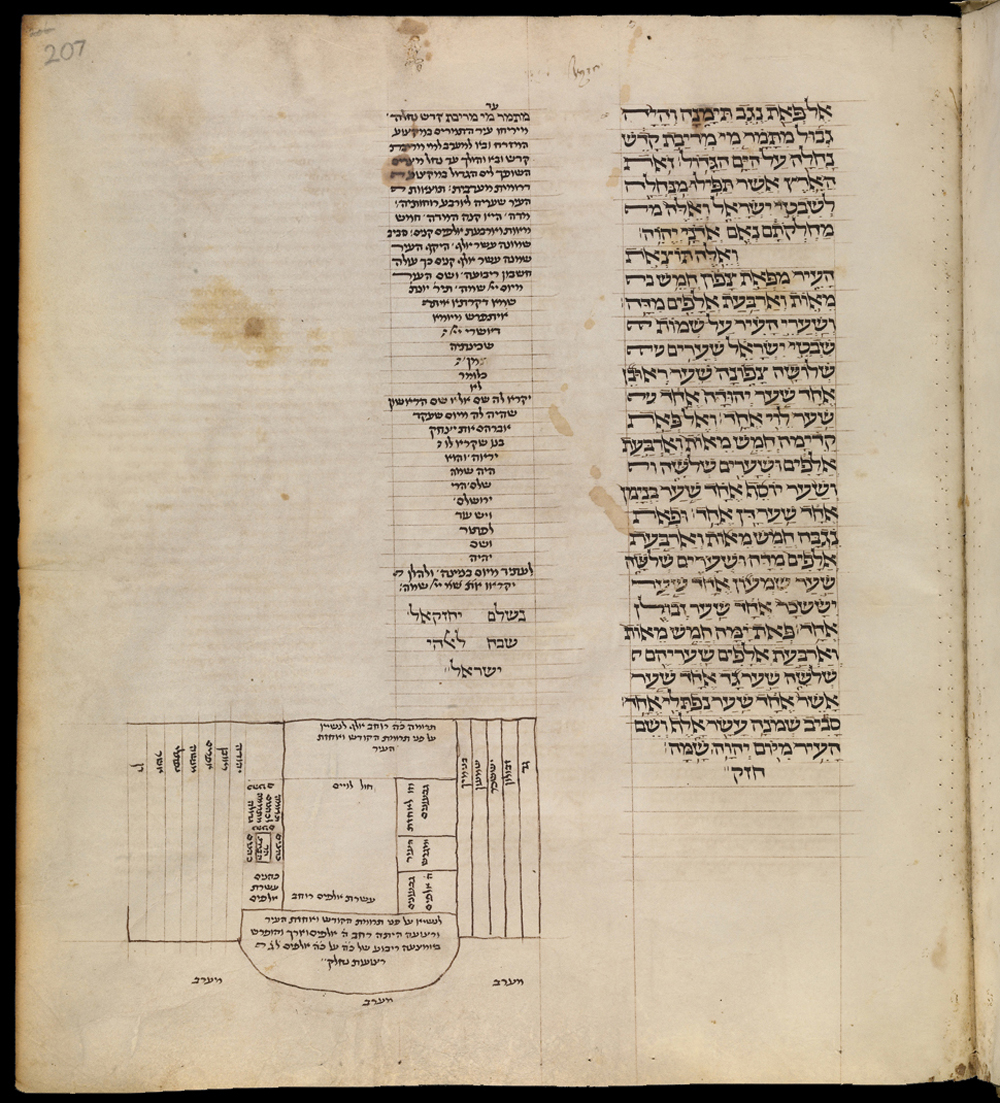
This archival object shows the tradition of text and commentary. It is not presented as the exact source quoted on this page.
Book of Prophets with Rashi’s commentary · late 13th century · public-domain reproduction.
Sources to open
Leviticus 23
Appointed times
The Torah gathers the festivals into one calendar of sacred time.
Deuteronomy 16
Three pilgrimage festivals
Celebration includes memory, community and responsibility for others.
Exodus 13:8
Tell the next generation
The festival story becomes personal through retelling.
Date calculations must be deterministic and verified. An LLM should not decide Hebrew dates or religious obligations.
Questions you can explore
Related guides
Shabbat
Shabbat for beginners: one small step into Jewish time
Shabbat is not only a rule or a symbol. It is a rhythm that changes the week, the home and the way a person relates to work, rest, family and God.
Judaism for beginners
How to start learning Judaism without getting overwhelmed
Judaism can feel enormous at the beginning: Torah, prayer, Shabbat, holidays, Hebrew words, community and practice. A calm beginning does not require mastering everything. It starts with one honest question and one small repeated action.