
Explore
Interfaith family
Identity, holidays, children and agreements inside a family with different backgrounds.
A clear starting point
Family questions contain love, history, duties and wounds at the same time. A serious answer must protect human dignity, name real responsibilities and avoid deciding another person’s life for them.
Three ideas to keep
What to do now
- 01State the issue in one neutral sentence.
- 02Write what you can request and what you can only hope for.
- 03Plan one conversation with a clear beginning, boundary and end.
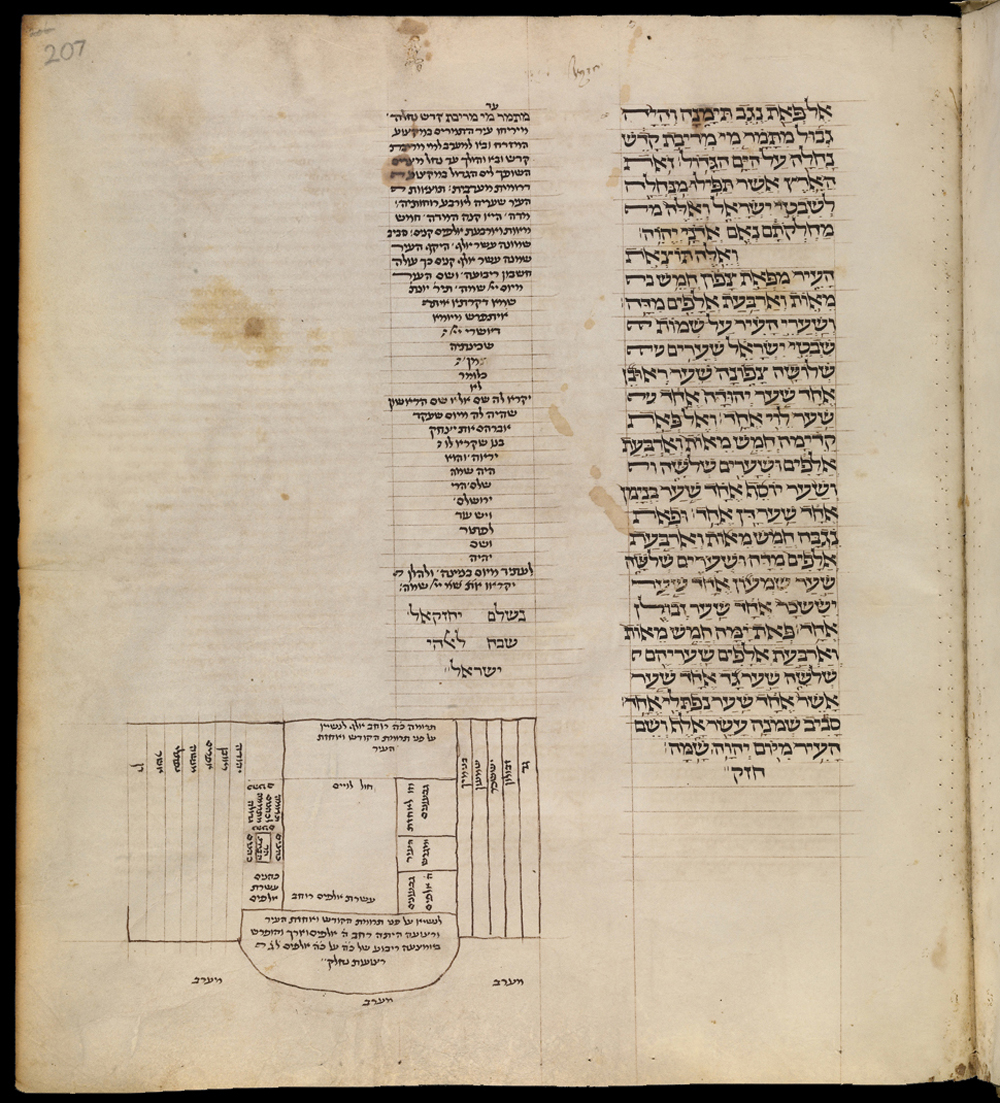
Source lineage
Read the source with its surrounding argument.
The page separates the canonical reference, the commentary and OJS interpretation so the reader can see where each conclusion begins.
This archival object shows the tradition of text and commentary. It is not presented as the exact source quoted on this page.
Book of Prophets with Rashi’s commentary · late 13th century · public-domain reproduction.
Sources to open
Deuteronomy 6:6–7
Teach through daily life
Identity is transmitted through repeated practice and language.
Joshua 24:15
Choose the household’s path
Families need explicit choices rather than silent assumptions.
Ruth 1:16–17
Ruth and belonging
Belonging is expressed through commitment, people and way of life.
A personal report can organize one concrete situation, sources, options and next steps. It does not replace therapy, legal advice or a halakhic ruling.
Questions you can explore
Related guides
Sources
Jewish sources for life questions: how to ask well
Many people come to Jewish sources with a real-life question, not an academic topic. The key is to ask in a way that lets the sources illuminate the actual situation.
Judaism for beginners
How to start learning Judaism without getting overwhelmed
Judaism can feel enormous at the beginning: Torah, prayer, Shabbat, holidays, Hebrew words, community and practice. A calm beginning does not require mastering everything. It starts with one honest question and one small repeated action.