
Explore
How Jewish sources work
Torah, Mishnah, Talmud, commentators and later authorities: what each layer can tell you.
A clear starting point
A Jewish source is not a decorative quotation. It has a setting, a question, a genre and later interpretation. Reading responsibly means knowing what the text says, what it does not say and how it has been understood.
Three ideas to keep
What to do now
- 01Open the exact passage, not a quotation card.
- 02Read one classical and one modern explanation.
- 03Write one sentence about what the source changes in practice.
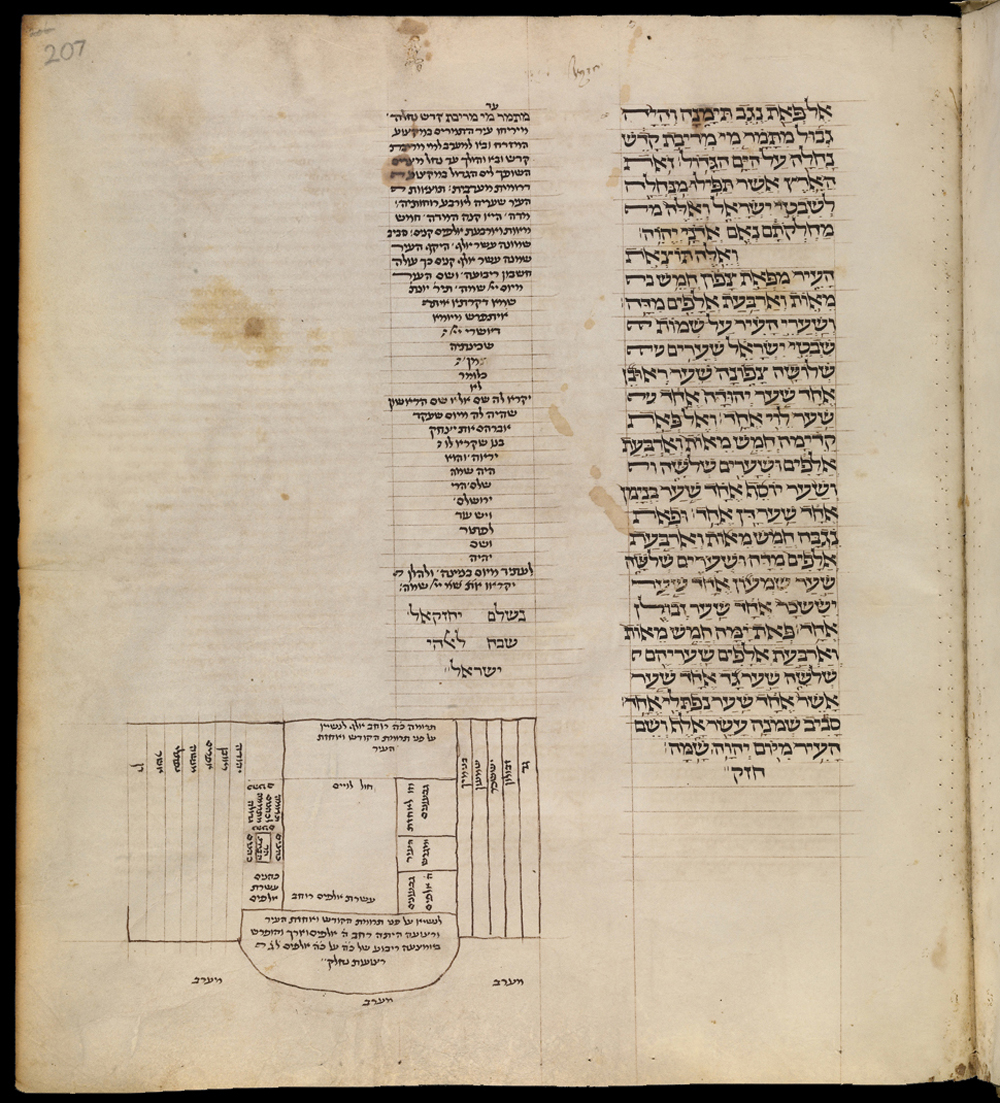
Source lineage
Read the source with its surrounding argument.
The page separates the canonical reference, the commentary and OJS interpretation so the reader can see where each conclusion begins.
This archival object shows the tradition of text and commentary. It is not presented as the exact source quoted on this page.
Book of Prophets with Rashi’s commentary · late 13th century · public-domain reproduction.
Sources to open
Pirkei Avot 1:1
Chain of transmission
Authority and interpretation develop through a received tradition.
Eruvin 13b
Both are words of the living God
The Talmud can preserve serious disagreement without treating every view as identical in practice.
Deuteronomy 17:8–11
Hard cases
Difficult legal questions are brought to recognized authorities.
This page offers education, not a binding ruling. Ask the Sources can help locate and explain relevant texts.
Questions you can explore
Related guides
Sources
Jewish sources for life questions: how to ask well
Many people come to Jewish sources with a real-life question, not an academic topic. The key is to ask in a way that lets the sources illuminate the actual situation.
Judaism for beginners
How to start learning Judaism without getting overwhelmed
Judaism can feel enormous at the beginning: Torah, prayer, Shabbat, holidays, Hebrew words, community and practice. A calm beginning does not require mastering everything. It starts with one honest question and one small repeated action.