Explore
Conversion to Judaism
What conversion includes, what online learning can do and where rabbinic authority is required.
The short answer
Conversion to Judaism is not an online course and not a private declaration. It is a formal entry into the Jewish people and the covenant of Torah through study, lived practice and a process led by a recognized rabbinic authority and beit din. The first step is not to look for the fastest route. It is to understand which community you are joining and who can recognize the process.
Begin by separating three different aims: learning about Judaism, beginning to live a Jewish life and receiving a formally recognized Jewish status. The first two can begin today. The third cannot be issued by oneself or created by completing online material.
People begin considering conversion for many reasons. A relationship, family history or search for meaning may open the question. The serious test is whether the decision remains when convenience, pressure and the desire for a quick result are removed. The tradition is looking for a durable commitment, not a perfect biography.
Study is not a terminology exam. A candidate gradually learns a Jewish rhythm: Shabbat, prayer, kashrut, holidays, home life, community and responsibility toward other people. The point is not to perform everything instantly. It is to show that learning is becoming a stable way of life.
Recognition matters. Communities and institutions do not always recognize the same conversion standards. Before investing months or years, ask who the beit din is, what the process requires, which documents are issued and where the result will be recognized. A vague promise is not an answer.
No responsible website can promise a timetable, approval or universal recognition. Online learning can explain sources, prepare questions and help a person understand the road. It cannot perform a conversion, replace a beit din or certify Jewish status.
Three distinctions that prevent mistakes
A useful first route
- 01Write why you are considering conversion and what you expect to change in your daily life.
- 02Choose the community you genuinely intend to join and request an initial conversation with its recognized rabbinic authority.
- 03Ask for the process in writing: study, community participation, practical requirements, beit din, immersion, circumcision where relevant, documents and recognition.
Source lineage
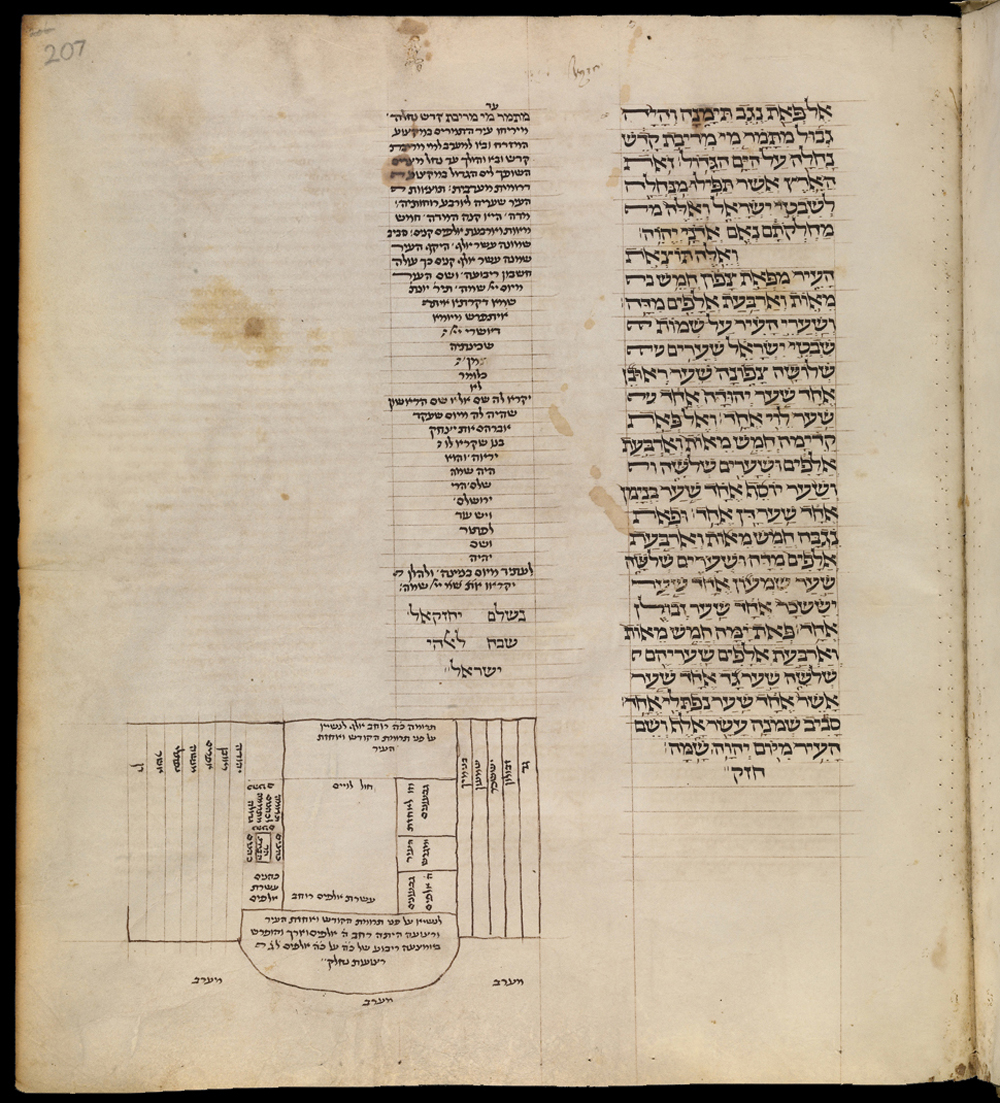
Read the source with its surrounding argument.
The page separates the canonical reference, the commentary and OJS interpretation so the reader can see where each conclusion begins.
This archival object shows the tradition of text and commentary. It is not presented as the exact source quoted on this page.
Book of Prophets with Rashi’s commentary · late 13th century · public-domain reproduction.
What the sources actually say
Ruth 1:16–17
A decision that joins people, path and faith
Your people are my people, and your God is my God.
Ruth’s words do not describe a private spiritual preference. They join belonging to a people, a shared road and faith.
Talmud, Yevamot 47a
The process tests an informed and persistent decision
Why do you wish to convert? Do you not know that Israel is now afflicted, humbled and oppressed?
The Talmud does not market conversion as an easy improvement in life. It asks whether the choice remains after the cost is stated honestly.
Rambam, Mishneh Torah, Laws of Forbidden Relations 13:4
Conversion is entry into a covenant and the obligations of Torah
When a gentile wishes to enter the covenant and accept the yoke of Torah, circumcision and immersion are required.
Rambam describes a legal and embodied process, not a change of label. The exact present-day procedure must be handled by a recognized beit din.
This page is educational. It does not perform a conversion, determine Jewish status, guarantee acceptance or promise recognition by any community, rabbinic authority or state institution. Questions involving marriage, immigration or civil status require separate advice from the relevant recognized authorities.
Questions you can explore
Related guides
Conversion
What is giur: conversion to Judaism explained calmly
Giur is often translated as conversion, but the word points to more than a private decision. It is a serious process of joining the Jewish people, learning Jewish life and standing before qualified rabbinic authorities.
Judaism for beginners
How to start learning Judaism without getting overwhelmed
Judaism can feel enormous at the beginning: Torah, prayer, Shabbat, holidays, Hebrew words, community and practice. A calm beginning does not require mastering everything. It starts with one honest question and one small repeated action.