
Explore
Bar and bat mitzvah
The date, meaning, preparation and family decisions around coming of age.
A clear starting point
The Jewish calendar turns memory into repeated action. Dates are not only information: they tell a family when to prepare, gather, remember, celebrate or mark a transition.
Three ideas to keep
What to do now
- 01Collect the correct names, dates and sunset information.
- 02Verify the Hebrew-date calculation before saving it.
- 03Set the first reminder early enough to prepare, not on the date itself.
Source lineage
Read the source with its surrounding argument.
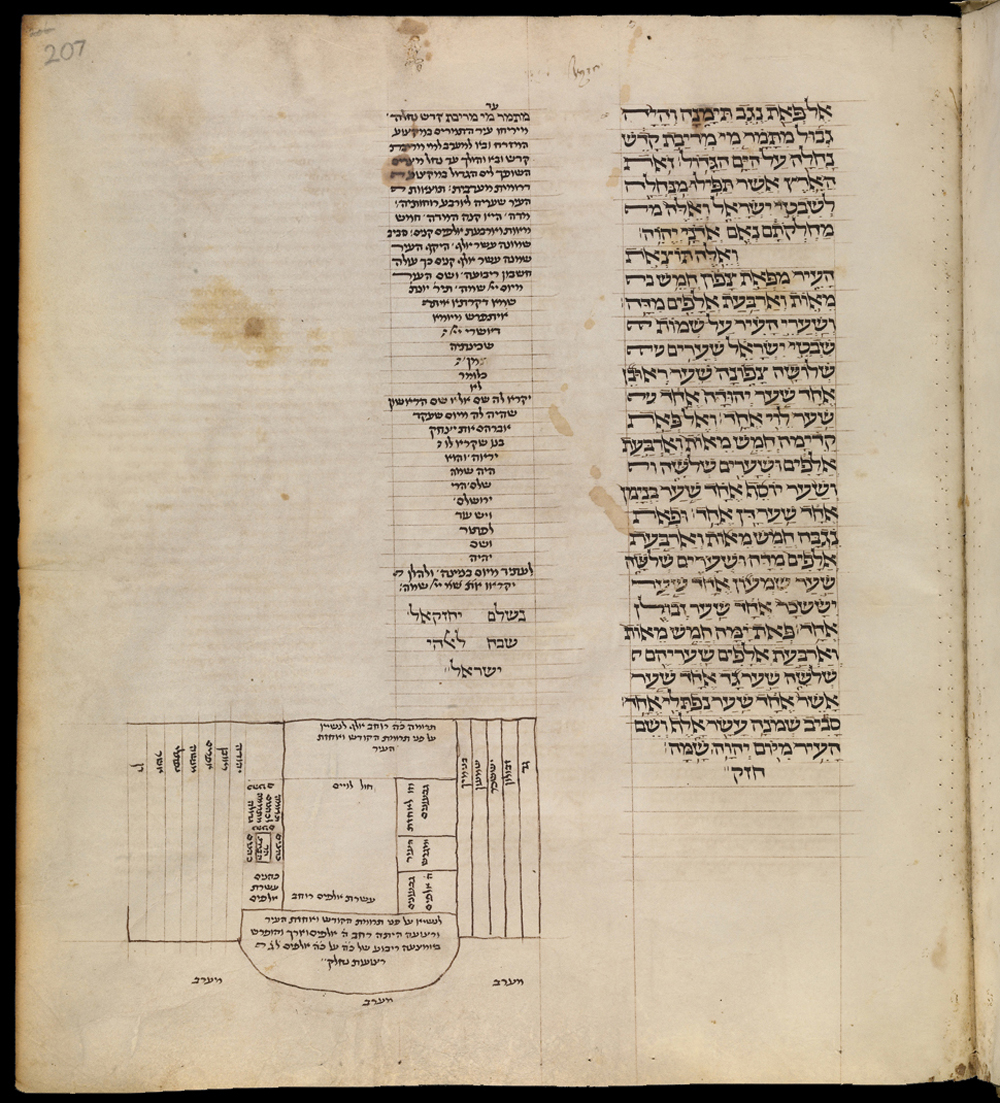
The page separates the canonical reference, the commentary and OJS interpretation so the reader can see where each conclusion begins.
This archival object shows the tradition of text and commentary. It is not presented as the exact source quoted on this page.
Book of Prophets with Rashi’s commentary · late 13th century · public-domain reproduction.
Sources to open
Pirkei Avot 5:21
Age and responsibility
The Mishnah’s age map connects thirteen with commandments.
Kiddushin 29a
Teaching obligations
Preparation grows from the wider duty to teach and form practice.
Nehemiah 8:1–8
Reading and community
Public Torah reading joins text, explanation and community.
Date calculations must be deterministic and verified. An LLM should not decide Hebrew dates or religious obligations.